
Red Flags in Social Media and Online Relationship Warning Signs
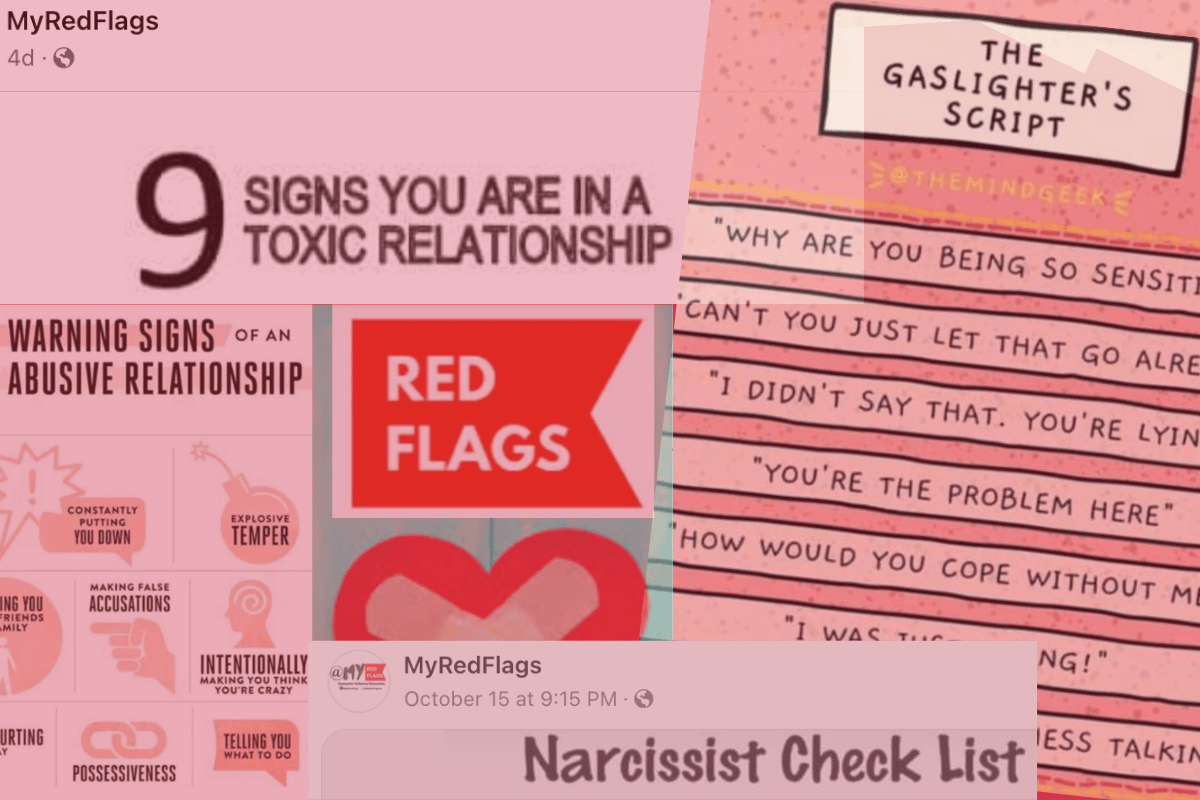
In today’s hyper-connected world, relationships often begin long before two people meet in real life. A profile picture, a few captions, and a curated feed can shape first impressions within seconds. This digital-first interaction has created new opportunities for connection, but it has also opened the door to deception, manipulation, and emotional risk.
Because of this shift, understanding behavioral patterns online has become increasingly important. People no longer rely solely on face-to-face communication to build trust. Instead, they interpret signals from posts, stories, likes, and interaction patterns.
However, not all signals are reliable. Some are carefully engineered, while others are incomplete or misleading. This is why learning to recognize red flags in social media has become essential for navigating modern relationships safely and thoughtfully.
Why Online Behavior Matters in Modern Relationships
Online behavior often reflects more than just casual sharing. It can reveal communication habits, emotional tendencies, and even consistency in personal narratives. In relationships that begin digitally, these signals often form the foundation of trust.
Yet social media is also a place where reality is frequently filtered.
People may:
- Present idealized versions of their lives
- Hide inconsistencies between platforms
- Control emotional exposure carefully
- Curate interactions for specific audiences
- Avoid revealing deeper personal details
Because of this, interpretation becomes complex. What appears genuine on the surface may not always reflect reality. This is where red flags in social media begin to matter as early warning indicators rather than final judgments.
Common Online Relationship Warning Signs
When analyzing digital behavior, certain patterns tend to stand out over time. These are not definitive proof of anything, but they may suggest the need for closer attention.
Some of the most observed warning signs include:
- Excessively inconsistent personal information
- Avoidance of direct communication methods like video calls
- Overly fast emotional attachment without real-world interaction
- Limited or heavily curated social presence
- Repeated contradictions in shared life details
Individually, these behaviors might seem harmless. However, when combined, they can indicate deeper inconsistencies that deserve careful consideration.
Recognizing red flags in social media is less about suspicion and more about awareness of patterns that do not align naturally over time.
The Challenge of Interpreting Digital Signals
One of the biggest difficulties in online relationship evaluation is interpretation. A single post or message rarely provides enough context to form a reliable conclusion.
For example:
- A private account may indicate preference for privacy, not deception
- Infrequent posting may reflect personality, not secrecy
- Emotional communication styles vary widely across cultures
- Platform differences influence how people present themselves
Without context, it is easy to misread normal behavior as suspicious or overlook genuine inconsistencies. This complexity makes manual analysis both time-consuming and emotionally biased.
As digital interactions grow, the need for structured interpretation becomes more important than ever.
Why Manual Observation Often Falls Short
Many people try to evaluate online behavior by scrolling through profiles or reviewing interaction history. While this approach can provide surface-level insights, it has significant limitations.
Some common challenges include:
- Difficulty tracking long-term behavior changes
- Overlooking subtle patterns across posts
- Emotional bias during interpretation
- Lack of cross-platform visibility
- Information scattered across multiple sources
Because of these limitations, important signals can easily be missed or misunderstood. This is why structured tools are becoming increasingly relevant for deeper analysis.
How Socialprofiler AI Chatbot Helps Decode Online Behavior
Socialprofiler AI Chatbot is designed to help users make sense of publicly available social media information in a more organized and conversational way.
Instead of manually analyzing posts, users can ask questions directly and receive structured insights, similar to interacting with advanced AI systems like GPT or Gemini.
The chatbot helps users:
- Understand behavioral patterns more clearly
- Identify recurring interests and themes
- Analyze consistency in public information
- Explore communication tendencies
- Organize scattered online signals into readable insights
By turning fragmented data into meaningful context, it becomes easier to evaluate online behavior without relying on guesswork.
Using AI to Identify Behavioral Patterns More Effectively
One of the key advantages of Socialprofiler AI Chatbot is its ability to focus on repetition and patterns rather than isolated actions.
For example, instead of reacting to a single post, users can explore:
- Long-term engagement behavior
- Recurring topics of interest
- Consistency in shared personal details
- Interaction frequency over time
- Stability of communication style
This approach helps highlight potential red flags in social media in a more balanced and structured way.
Rather than making assumptions, the focus shifts toward understanding trends that develop over time.
How AI Helps Reduce Misinterpretation
Human judgment is naturally influenced by emotion, expectation, and bias. This can sometimes lead to overanalyzing harmless behavior or missing meaningful inconsistencies.
AI-assisted analysis helps reduce this risk by:
- Organizing information systematically
- Highlighting repeated behavioral signals
- Removing emotional bias from interpretation
- Presenting patterns in a neutral format
- Encouraging evidence-based thinking
This does not replace human judgment but supports it by adding structure to complex information.
The Importance of Context in Online Relationship
Even when certain behaviors appear unusual, context is always essential. Not all inconsistencies are warning signs, and not all gaps indicate deception.
For example:
- Some individuals value privacy highly
- Cultural differences affect communication style
- Personal boundaries influence online sharing
- Life circumstances impact social activity
Because of this, interpreting red flags in social media should always involve careful consideration of the broader context rather than quick conclusions.
Responsible evaluation focuses on understanding, not assumption.
Practical Guidelines for Smarter Online Awareness
To navigate digital relationships more safely, it is helpful to adopt a balanced approach.
Consider the following practices:
- Look for repeated patterns rather than isolated behavior
- Compare consistency across different platforms
- Avoid rushing into conclusions based on first impressions
- Ask for clarification when something feels unclear
- Pay attention to long-term behavioral trends
These habits help create a more stable and realistic understanding of online interactions.
Final Thoughts
Online relationships are becoming an increasingly important part of modern social life. While they offer convenience and opportunity, they also require careful awareness of behavioral signals and consistency.
Understanding red flags in social media is not about distrusting others automatically. Instead, it is about developing the ability to recognize patterns, evaluate context, and make informed decisions based on observable behavior.
Tools like Socialprofiler AI Chatbot can support this process by organizing public information, identifying recurring themes, and helping users ask better questions about online behavior. Combined with thoughtful observation, this creates a more balanced and informed approach to digital relationships.
In the end, awareness is not about suspicion, but about clarity, patience, and understanding how digital behavior unfolds over time.